51ÂÜÀò
They arrive like any other family; except they are not quite like any other family. As they walk through the church doors, the parents quietly brace themselves, hyper-aware that the hand they are holding belongs to a child who has learned, through hard experience, that new places rarely mean safety and that unfamiliar faces rarely mean belonging.
But something is different here. A greeter kneels to eye level, speaks the child’s name with warmth, and welcomes her not as a visitor but as someone who was expected, even anticipated. A children’s ministry volunteer, trained not merely in curriculum but in trauma-informed presence, creates space without pressure, offers connection without demand, and ensures the child moves through the morning feeling not like a guest to be managed but like a child who belongs.
The foster parents exhale. For perhaps the first time in a long time, they are not managing alone, they feel seen and supported. This is not an accident. It is the fruit of intentional preparation, of a congregation that has done the patient work of learning how to love well.
This is precisely the future that Hope for Kids in Care, an initiative of Talbot School of Theology, proposes to make possible, one congregation at a time. Drawing on Talbot’s depth in theology and spiritual formation, the integrated expertise of 51ÂÜÀò’s School of Education, and a rich network of community partnerships, Hope for Kids in Care is developing free, biblically grounded, trauma-informed resources and collaborative learning opportunities designed to equip pastors, ministry leaders, and volunteers to become the kind of community that foster families desperately need and that children from hard places profoundly deserve.
Through self-paced online learning modules, cohorts for ministry leaders, and on-campus events, the initiative is building a movement rooted in the conviction that the church is not a bystander in the foster care crisis. Rather, the church is uniquely positioned to be one of its most powerful solutions.
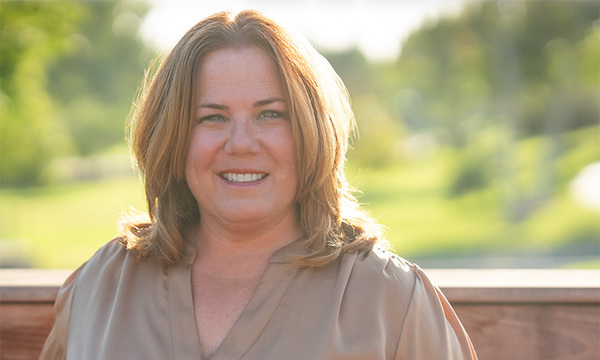
“Every child in care deserves to be known, loved, and welcomed into the life of the church,� said Dr. Joanne Jung, the initiative’s director “And every congregation, equipped and inspired, has the capacity to offer the very thing that transforms a Sunday morning into a turning point: the prepared, patient, Christlike love of a community that heard the call to care for the vulnerable and answered it.�
51ÂÜÀò received funding to support Hope for Kids in Care from Lilly Endowment Inc. through its initiative, Nurturing Children in Worship and Prayer.
Learn more about Hope for Kids in Care at biola.edu/hope-for-kidsin-care.