51ÂÜÀò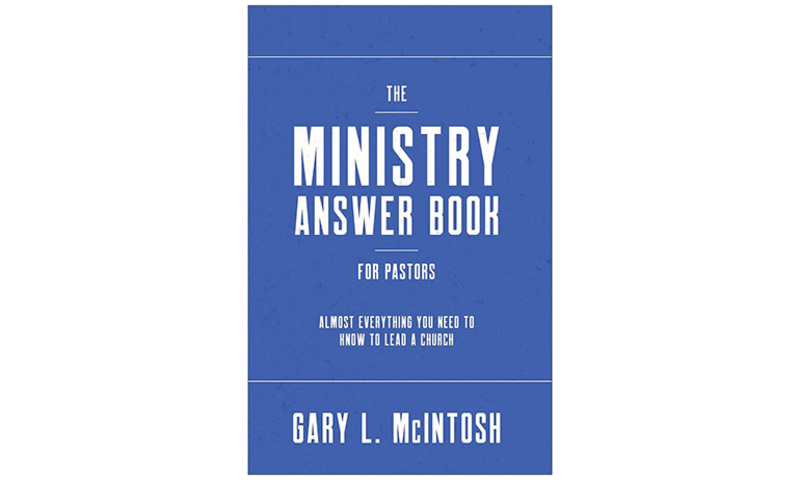
Q: My church spent a lot of time developing a new vision, but it didn’t seem to help. Why do you think that is?
Much more than a vision is needed to set direction for a church. Establishing a new direction takes patience, tenacity, gentle persuasion, good communication, and, most of all, time. Here are a few insights:
- You can’t rent a vision. Borrowing a vision statement from a successful church may seem like a good idea at first. However, it’s akin to renting a car. While it’s nice, it’s not yours. You don’t own it! Effective vision statements are owned by the congregation, not just rented.
- Vision lacks clarity. Even when vision is treated as significant, it assumes an undefined content to be filled in by the audience. Expressed differently, an illusion of communication is present in the word vision. When a person hears that word, they think they know what it means but rarely do. More problematic, each hearer fills in the content differently according to their own perceptions, assumptions, and biases.
- A pastor must take responsibility for leadership. In part this means creating clarity in a sea of confusion. It’s best to assume that the board and other formal and informal church leaders don’t know how to give or set direction. It’s extremely rare to see a board or committee determine a church’s vision. Thus, it falls to the pastor to nudge them along toward the future.
- Setting direction is a process, not an event. It takes more than a weekend retreat to establish a new direction for a local church. No one should attempt to set a new direction for a church unless they’re willing to commit to a minimum of three years of hard work, sometimes longer.
- You can’t plan forever. An old proverb says, “One who deliberates fully before taking a step will spend their entire life on one leg.� An average plan put into action is better than an excellent plan left undone. The point is to get moving and let God direct your steps along the way (see Prov. 16:9)
Q: I hear a lot of talk about vision but am not sure what it is. Can you explain vision in a simple way so I can understand it?
Vision is an ability to foresee or perceive something that is not visible. It is bringing to mind a mental picture of a preferable future. Vision is a picture of what God wants to do in and through us in our place of ministry. Vision is a prompting to do what God wants and it…
- Inspires. It transcends the day-to-day work of just doing a job to creating a place of impact and change.
- Challenges. Think of Martin Luther King saying “I have a dream.� A simple dream of Black and white Americans living together in harmony. Simple, clear, and powerful!
- Sustains. It makes sense to the people. Vision is evaluated, critiqued, and fine-tuned until it motivates the followers.
- Steadies. There is a firmness to it even though it’s constantly changing. Real vision includes core biblical truth, but the “how-to� is flexible. Making disciples is the core. Where we do it, how we do it, and when we do it are aspects that may change.
- Controls. It beckons when all else is up for grabs. When everything around us is changing, vision reminds us of what matters most. Gifted leaders have the ability to focus on the vision and to bring all decisions back to it when necessary.
- Empowers. It first empowers your people and then the people you hope to reach. Vision causes your people to give their lives away in service to others, and it creates a radical difference in people’s lives when they join with your church.
- Honors. Vision honors the past but prepares for the future. It does not trample on your history but instead radically moves your history into a more fruitful future.
- Activates. It lives in the now. It may be the big picture, but at some point vision must take on shoe leather. Vision that is never lived out is a daydream, not real vision.
Gary L. McIntosh, The Ministry Answer Book for Pastors: Almost Everything You Need to Know to Lead a Church (Grand Rapids, MI: Baker Books, ©2025), 208 pages. Used by permission of Baker Publishing Group.